Showing posts with label habichuelas con dulce. Show all posts

Tuesday, June 25, 2013

La Comida Dominicana: Specialties and Street Food


Specialties
Sancocho

Mealtime in the Dominican Republic usually means eating with a large group: close family, relatives from out of town, friends, co-workers, neighbors, and possibly any number of household animals. Dominicans therefore know how to cook for big crowds. One of the most popular dishes for such times is sancocho, a hearty stew prepared with several kinds of víveres, a multitude of other vegetables, and various kinds of meat. The stew simmers for hours over an open fire, serving dozens and making everyone happy. A similar dish is called asopao, prepared with a base of rice instead of víveres.
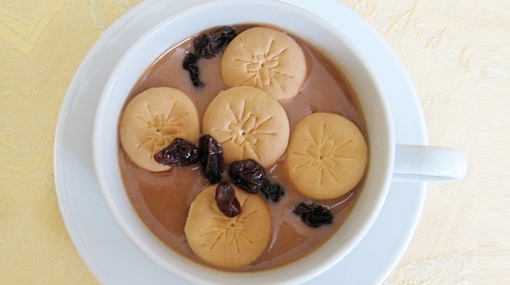
Habichuelas con Dulce
At Easter in the countryside, neighbors might build a fire alongside the nearest river, and prepare moro de guandules (rice with pigeon peas) with bacalao (salted cod) accompanied by generous amounts of rum. A popular dessert during this time (referred to as Semana Santa) is habichuelas con dulce, a pudding-like dessert made from a base of beans, along with white sweet potato, condensed milk, sugar, and cinnamon. It is usually topped with small milk cookies.
Pig Roasting on a Spit

Christmastime brings the smell of crackling pig skin wafting through the air as men rotate whole pigs over a spit. After slow-roasting the pig all day, hosts serve the tender meat alongside ensalada rusa (potato salad with the festive addition of beets), and pan telera (a long white bread). For dessert, children and adults alike munch on apple slices, grapes, gum drops, nuts, and marshmallows.

Tostones

Tostones are the French fries of the Dominican Republic. What better to do with unripe plantains, found in abundance across the country, than twice-fry them and serve with every meal? To make tostones, plantains are sliced less than an inch thick, fried, flattened, and then fried again. They are ubiquitous and delicious, found in every fancy restaurant and roadside stand. When in doubt, order tostones.

Fruit

Limoncillo
Sharing a Caribbean island, the DR features those sweet and colorful tropical fruits all your dreams are fresh-squeezed from. Some fruits grow all year, while others have a short growing season. Two of the most popular fruits that have specific seasons are aguacate (avocado), in the fall, and mango, in the spring and summer. Also try limoncillo (a slimy sweet and sour fruit resembling a lychee), and chinola (passion fruit), available in the summer. Year-round, enjoy lechosa (papaya), guineo (banana), china (orange), and coco (coconut).

Street Food

Pica Pollo with Tostones
Those with strong digestive systems should certainly try some of the food from roadside stands. Of course, it is important to be cautious: make sure your street meat hasn’t been sitting out in the sun for too long. Visit fried food stands called frituras to try out famed tostones, chicharrón (fried pork skin), arepitas (fried balls of cornmeal), quipes (a fried wheat dumpling with a ground meat center), yaniqueques (savory dough that is stretched, then fried) and the ubiquitous empanada, sometimes called a pastelito (depending on the size and filling).

We also recommend visiting brick-and-mortar joints called “Pica Pollo,” which can be found every few blocks in any town. These spots specialize in moist, delicious fried chicken (goes perfectly with an icy Presidente), and often serve the chicken with fried rice introduced by the small Chinese population on the island.

Photo credit: <a href="http://www.flickr.com/photos/remolachaoficial/8491126110/">Remolacha.net pics</a> / <a href="http://foter.com">Foter.com</a> / <a href="http://creativecommons.org/licenses/by-nc-sa/2.0/">CC BY-NC-SA</a> 

Tuesday, June 18, 2013

La Comida Dominicana: Breakfast, Lunch, and Dinner


Before we get to discussion of the meals, we have to talk about the vívere, or starchy vegetable, which is ubiquitous in the Dominican diet. The most common include plátano (plantain) and yuca (cassava root), but others include batata (a kind of sweet potato), yautía (taro root), and auyama (pumpkin). Víveres are served most often boiled or fried.

Breakfast
Mangu: Boiled and Mashed Plantains with Red Onions

When morning hunger strikes, there's an answer, and his name is plantain. This first meal of the day is a twofold affair. The first half involves a serving of víveres - usually plantains, and often boiled to high pliability.
The second is played by one of a trio of delicacies, usually fried to a crisp: huevos (eggs), queso (cheese), or salami, topped off with some of that delicious frying oil. 
Breakfast is taken with a short, sweet and strong cup of coffee.

One popular breakfast dish is mangú, made from mashed boiled plantains. It's then topped with red onions marinated in vinegar to cut the grease of that frying oil. A lighter alternative to víveres is hot chocolate boiled with cinnamon and allspice served with pan de agua (bread).  In the cooler months, you might also receive oatmeal prepared with generous amounts of milk, sugar, and cinnamon.

Lunch

The famous midday meal is by far the heaviest and most involved in terms of preparation and consumption time. Lunch features la Bandera Dominicana, i.e. the Dominican flag. The food trio on the plate, after all, reflects the trifecta on the flag. (Dominicans are clearly as patriotic about their homeland as they are about their food.)
La Bandera Dominicana: Rice, Beans, Meat

This meal features a base of arroz, or white rice, topped with habichuelas, or beans, and carne, or meat (usually chicken, but sometimes pork, beef, or goat). 

One variant on the all-purpose rice-and-beans dish is called moro, in which the beans and rice are cooked together in one pot. For a well-balanced meal, a small salad or a vegetable side like eggplant, potato, avocado, or okra accompanies the bandera.


Dinner

Nighttime dining is fairly straightforward, mirroring breakfast with a carbohydrate and protein component. Boiled víveres are again paired with fried eggs, cheese, or salami. Bring on the oil.

Dessert

Dulce de Naranja (Orange Sweet)
Anyone eating in the DR, home of the endless sugarcane plantation, would be remiss without a sweet ending to a savory meal. Dessert may be simply that liberally sugared cup of coffee. A popular treat is a piece of dulce (literally, sweet) made with milk, sugar, and fruit boiled to a pulp. In restaurants, you’ll find international flavors like flan and tres leches, a dish made with three iterations of dairy product. Coconut, when available, is popular in postprandial sweets, made into cookies or biscuits called coconetes.