Tuesday, June 25, 2013

La Comida Dominicana: Specialties and Street Food


Specialties
Sancocho

Mealtime in the Dominican Republic usually means eating with a large group: close family, relatives from out of town, friends, co-workers, neighbors, and possibly any number of household animals. Dominicans therefore know how to cook for big crowds. One of the most popular dishes for such times is sancocho, a hearty stew prepared with several kinds of víveres, a multitude of other vegetables, and various kinds of meat. The stew simmers for hours over an open fire, serving dozens and making everyone happy. A similar dish is called asopao, prepared with a base of rice instead of víveres.

Habichuelas con Dulce
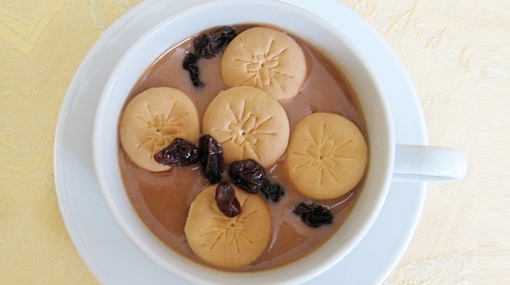
At Easter in the countryside, neighbors might build a fire alongside the nearest river, and prepare moro de guandules (rice with pigeon peas) with bacalao (salted cod) accompanied by generous amounts of rum. A popular dessert during this time (referred to as Semana Santa) is habichuelas con dulce, a pudding-like dessert made from a base of beans, along with white sweet potato, condensed milk, sugar, and cinnamon. It is usually topped with small milk cookies.
Pig Roasting on a Spit

Christmastime brings the smell of crackling pig skin wafting through the air as men rotate whole pigs over a spit. After slow-roasting the pig all day, hosts serve the tender meat alongside ensalada rusa (potato salad with the festive addition of beets), and pan telera (a long white bread). For dessert, children and adults alike munch on apple slices, grapes, gum drops, nuts, and marshmallows.

Tostones

Tostones are the French fries of the Dominican Republic. What better to do with unripe plantains, found in abundance across the country, than twice-fry them and serve with every meal? To make tostones, plantains are sliced less than an inch thick, fried, flattened, and then fried again. They are ubiquitous and delicious, found in every fancy restaurant and roadside stand. When in doubt, order tostones.

Fruit

Limoncillo
Sharing a Caribbean island, the DR features those sweet and colorful tropical fruits all your dreams are fresh-squeezed from. Some fruits grow all year, while others have a short growing season. Two of the most popular fruits that have specific seasons are aguacate (avocado), in the fall, and mango, in the spring and summer. Also try limoncillo (a slimy sweet and sour fruit resembling a lychee), and chinola (passion fruit), available in the summer. Year-round, enjoy lechosa (papaya), guineo (banana), china (orange), and coco (coconut).

Street Food

Pica Pollo with Tostones
Those with strong digestive systems should certainly try some of the food from roadside stands. Of course, it is important to be cautious: make sure your street meat hasn’t been sitting out in the sun for too long. Visit fried food stands called frituras to try out famed tostones, chicharrón (fried pork skin), arepitas (fried balls of cornmeal), quipes (a fried wheat dumpling with a ground meat center), yaniqueques (savory dough that is stretched, then fried) and the ubiquitous empanada, sometimes called a pastelito (depending on the size and filling).

We also recommend visiting brick-and-mortar joints called “Pica Pollo,” which can be found every few blocks in any town. These spots specialize in moist, delicious fried chicken (goes perfectly with an icy Presidente), and often serve the chicken with fried rice introduced by the small Chinese population on the island.

Photo credit: <a href="http://www.flickr.com/photos/remolachaoficial/8491126110/">Remolacha.net pics</a> / <a href="http://foter.com">Foter.com</a> / <a href="http://creativecommons.org/licenses/by-nc-sa/2.0/">CC BY-NC-SA</a> 

Tuesday, June 18, 2013

La Comida Dominicana: Breakfast, Lunch, and Dinner


Before we get to discussion of the meals, we have to talk about the vívere, or starchy vegetable, which is ubiquitous in the Dominican diet. The most common include plátano (plantain) and yuca (cassava root), but others include batata (a kind of sweet potato), yautía (taro root), and auyama (pumpkin). Víveres are served most often boiled or fried.

Breakfast
Mangu: Boiled and Mashed Plantains with Red Onions

When morning hunger strikes, there's an answer, and his name is plantain. This first meal of the day is a twofold affair. The first half involves a serving of víveres - usually plantains, and often boiled to high pliability.
The second is played by one of a trio of delicacies, usually fried to a crisp: huevos (eggs), queso (cheese), or salami, topped off with some of that delicious frying oil. 
Breakfast is taken with a short, sweet and strong cup of coffee.

One popular breakfast dish is mangú, made from mashed boiled plantains. It's then topped with red onions marinated in vinegar to cut the grease of that frying oil. A lighter alternative to víveres is hot chocolate boiled with cinnamon and allspice served with pan de agua (bread).  In the cooler months, you might also receive oatmeal prepared with generous amounts of milk, sugar, and cinnamon.

Lunch

The famous midday meal is by far the heaviest and most involved in terms of preparation and consumption time. Lunch features la Bandera Dominicana, i.e. the Dominican flag. The food trio on the plate, after all, reflects the trifecta on the flag. (Dominicans are clearly as patriotic about their homeland as they are about their food.)
La Bandera Dominicana: Rice, Beans, Meat

This meal features a base of arroz, or white rice, topped with habichuelas, or beans, and carne, or meat (usually chicken, but sometimes pork, beef, or goat). 

One variant on the all-purpose rice-and-beans dish is called moro, in which the beans and rice are cooked together in one pot. For a well-balanced meal, a small salad or a vegetable side like eggplant, potato, avocado, or okra accompanies the bandera.


Dinner

Nighttime dining is fairly straightforward, mirroring breakfast with a carbohydrate and protein component. Boiled víveres are again paired with fried eggs, cheese, or salami. Bring on the oil.

Dessert

Dulce de Naranja (Orange Sweet)
Anyone eating in the DR, home of the endless sugarcane plantation, would be remiss without a sweet ending to a savory meal. Dessert may be simply that liberally sugared cup of coffee. A popular treat is a piece of dulce (literally, sweet) made with milk, sugar, and fruit boiled to a pulp. In restaurants, you’ll find international flavors like flan and tres leches, a dish made with three iterations of dairy product. Coconut, when available, is popular in postprandial sweets, made into cookies or biscuits called coconetes.

Tuesday, June 11, 2013

La Comida Dominicana (Dominican Food): An Introduction


Pastelón de Yuca with Chicharrón 
A nation’s cuisine speaks volumes about its culture, and the Dominican Republic is no exception. Dominican dishes and basic staples draw from a mix of European, African, and native foods and preparation styles to form a unique Caribbean island cuisine. Talk to any Dominican, and you’ll find someone who is supremely proud of the food that represents her heritage. And while the most stereotypical foods are rice, beans, and plantains, Dominican cuisine is so much more.


The biggest meal of the day is lunch, while breakfast and dinner tend to be lighter affairs. The basic Dominican meal is also not complete without a starch and a protein; if one is missing, the meal is called vacío, or empty. This might make things difficult for vegetarians, since meat may be served at any time of day. And the diversity and abundance of sublime tropical fruits available adds a sweet touch to any dish.


Over the next few weeks, we’ll profile several areas of Dominican cuisine, giving you a deeper look into what makes the food of this island so special. Grab a fork and join us on this tasty journey. 

Tuesday, June 4, 2013

Top Beaches near Puerto Plata: Playa Encuentro & Its Environs


Playa Encuentro

Playa Encuentro

Encuentro means “meeting” or “find,” and this isolated beach is certainly a gem of a find, bringing together man, his board, and the surf. Playa Encuentro is one of the highest rated beaches in the DR for surfing.

There are five distinct breaks that vary by season and time of day, and wave heights generally run from 1.5 to 3.5 feet (but can reach up to 9 under certain conditions). Surfing season is during the winter, from November through April, but summer can also produce very ride-able breaks.

Several surf rental and lesson shacks are set up on the beach. It is best to arrive early in the morning, as the breaks are best before noon. Less than 5 kilometers west of Cabarete, accessible by catching a moto or public transport. The entrance to the beach is by the Coconut Palms resort.

Surfing 321
Surfing 321 is one of the larger and better-known surf outfits in the area. The multilingual staff speaks English, Spanish, German, French, and Russian. Surfing 321 offer many deals and options for all levels of surfers, including rentals, lessons, trips, and the newfangled stand-up paddleboarding. Located at the entrance to the Coconut Palm Resort, continue to the beach and find the TakeOff School; 963-7873; www.321takeoff.com; 321takeoff@gmail.com

Pauhana Surfing
Pauhana is another reputable option for surf lessons located on Playa Encuentro. Rates for lessons run from US$45 for a day to US$225 for a week. 902-1212; www.pauhanasurfing.com; surfpauhana@gmail.com

Blue Moon Cabanas Nestled in the Hills
 A Detour for a Night

Blue Moon
Guests Enjoying Blue Moon's Indian-Caribbean Fare
Just a short drive from the coast, this retreat center is a peaceful oasis in the northern hills, affording occasional views of the mountains and sea. The property is green and well-tended, with a generous dining space, pool, patio, kitchen, bar, and lounge areas. The evening meal, diverse and decadent, is the highlight – an Indian-Caribbean affair served on banana leaves, eaten lounging on plush cushions. A large breakfast is included with the price. 
US$40-60 per cabana; in a private vehicle from Cabarete, turn right at the intersection of Sabaneta de Yásica, heading south for 6 kilometers over the bridge in Los Brazos. The entrance to Blue Moon is on the left. If coming by public transport, take a guagua to the Sabaneta intersection. Here, catch another guagua headed towards Jamao al Norte, and disembark at the entrance to Blue Moon, a five-minute walk off the highway up a short hill. Must book prior to arrival. 757-0614, ask for Eneyda; www.bluemoonretreat.net; info@bluemoonretreat.net

Tuesday, May 28, 2013

Top Beaches near Puerto Plata: Sosua


Playa Alicia (Playa Santa) of Sosua
More tranquil than Puerto Plata and Cabarete, but still with its unique sense of coastal charm, Sosúa attracts a slightly older and less rowdy crowd than its frenzied neighboring cities. The city center and the beaches are small, and therefore is easily navigable on foot. Playa Sosúa connects Sosúa's two distinct barrios: Los Charamicos in the west, less developed and with very few foreigners, and the now ironically named El Batey, the "downtown" and more tourist-oriented section of Sosúa.

Sosúa's short history has a fascinating origin. In 1940, the dictator Rafael Trujillo offered asylum to about 700 Jewish refugees in this tiny farming village. Though most have left, they began Sosúa's development, and it is now one of the larger towns on the North Coast. Its international nature lives on, as tourism is the roaring engine of Sosúa's commerce.

Where to Eat

Batatica
Finding authentic eats right by the beach can be tricky. Luckily, there is Batatica (“small sweet potato”), named after a local who went by that nickname. Tucked off the main drag, this spot draws a purely Dominican crowd. The conch shell and fish are specialties, and the prices are the best in town. RD$125-175; 133 C/ Pedro Clisante (Note that the restaurant is actually located on a side street off C/ Pedro Clisante marked with a large sign; every mototaxi driver knows where to find it if you are unable to); 809-571-1558

Waterfront Restaurant
The fancy awning, upscale décor, and bluff-top location shouldn’t scare off, but rather welcome budget travelers. Though Waterfront is a classy establishment, the charming owner complemented his upscale fare with half-price daily specials, and smaller items for less than RD$200, as well as a generous happy hour from 5 to 7pm. Tantalizing and unique dishes include calamari in ink over black rice, or the extravagant plato de cinco mares with shrimp, crayfish, conch shell, calamari, and fish. RD$100-600; 1 C/ Dr. Rosen (where the street ends); 571-3024;            829-755-6068; sainz.andres@gmail.com; Free Wi-Fi

Where to Sleep

Hotel El Rancho
Tacky isn’t a problem unless you make it one, so don’t mind its presence here, where kitsch equals fun. El Rancho offers 17 comfortable poolside rooms with tropically bright interiors. Groups and those with a larger budget ought to look out for the apartments with kitchens and the sweet penthouse. Check out the casual snack bar, serving fast food and drinks, located in the lobby. US$40-155; 36 C/ Dr Rosen; 571-4070; www.hotelelranchososua.com/3.html

Patio of Piergiorgio Palace Hotel
Piergiorgio Palace Hotel
Assuredly the most charming hotel in Sosúa, this hotel was built in the Dominican image of the neo-Victorian style, right on water’s edge. Rooms are well-lit, with a view of the ocean. They are elegantly simple, compared to the grandeur of the rest of the hotel: perfectly manicured gardens, leafy trees, gurgling fountains, and multiple white balconies peer over the seawall. US$95-250; 809-571-2626/2786; piergirorgio@codetel.net.do; www.piergiorgiopalace.com

What to Do

Playa Sosúa
Full of families, expats, and loquacious vendors, Playa Sosúa is the archetypal Dominican beach. Though not very broad, the beach stretches far, connecting the two major barrios of Sosúa,  and bringing in tourists, merchants, and locals to enjoy sand and sea. As it curves inside a bay, the water is calm, perfect for a leisurely swim. Snorkeling is therefore especially popular, as the reef reaches almost to the shore, providing a haven for marine life.

Playa Alicia (Playa Santa)
This cozy beach is a short landing of sand below steep and rocky cliffs. It is most accessible from a staircase by the Waterfront Restaurant, offering stunning views of the sea from on high. The beach spontaneously (and mysteriously) appeared in 2002, when an underwater earthquake supposedly moved a sand bar, causing the ocean to recede and leaving this tidy little beach in its wake.

Merlin Dive Center
For beginner scuba divers and snorkelers, a lesson is a must to take advantage of the wealth of tropical underwater beauty. Merlin offers both intro classes and trips and dives for all levels of expertise, as well as daylong to weeklong certification packages. Las Caobas, at the beginning of Sosúa beach; 809-545-0538; info@merlin-diving.com; merlin-diving.com

Museo Judío
Museo Judío
Small in size but long on chutzpah, the Museo Judío in Sosúa documents the fascinating history of the spirited group of Jewish refugees who slipped through the grasp of Hitler's Europe and thrived in a strange, foreign environment. The museum showcases pictures, artifacts, and articles in a half-dozen languages along the walls of the building. The synagogue used by the community still stands, warm with wood and earthy colors; ask the guard to open it for a short, self-guided tour. There are prayer services on select holidays. RD$100; Mon-Fri, 9am-1pm and 2pm-4pm, Sat 9am-1pm; C/ Alejo Martínez by C/ Dr. Rosen; 809-571-1386

Nightlife
For better or worse, Sosúa has earned the reputation of being the red light district of the North Coast. That being said, where that exists, there is bound to be decent nightlife. The center of town is full of bars and restaurants, especially along C/ Dr. Rosen, C/ Alejo Martinez, and C/ Pedro Clisante along the beach. Always take care in poorly lit areas, but downtown Sosúa is generally safe.

For a full description of where to stay, eat and have fun, check out the complete Sosúa  Chapter in Dominican Republic (Other Places Travel Guide)!   

Tuesday, May 14, 2013

Top Beaches Near Puerto Plata: Cabarete

Cabarete Beach
Just 2 kilometers (1.2 miles) long, Cabarete is a thriving, thumping seaside destination.  A far cry from the sleepy fishing village it once was just a couple short decades ago, Cabarete today shines as the destination for independent tourism on the north coast. Hugging a simple two-lane highway are thousands of hotel rooms, dozens of cafés, bars, restaurants, and a wide expanse of palm tree-studded sandy beach. Days in Cabarete are bustling, warm, and sunny; its nights are nothing but hot.

Cabarete was transformed in the late 1980s after area beaches were discovered to have ideal conditions for windsurfing and kiteboarding. The town is now a haven for these new adventure sports, as well as hiking in the nearby hills. Of course, lounging on a reclining beach chair with a drink in hand is a perfectly respectable way to pass time on the sandy expanses.

Outdoor Dining along Cabarete Beach
Where to Eat and Drink

Panadería Dick
Much like with their cured meats, Germans don’t loaf around when it comes to bread – Panadería Dick is the best bakery and pastry shop in Cabarete. Right in the middle of town, this restaurant’s breakfasts run around RD$100 for eggs, toast, and coffee. RD$50-100; Thu-Tue 7am-6pm; C/ Principal; 571-0612; panarolfdick@yahoo.com

José O'Shays
There is no beachside watering hole better known or more perfectly located than José O’Shays. It might be the quintessential Irish pub, except for the fact that its draft beer is Presidente and it serves pitchers of caipirinhas alongside Irish Car Bombs. The sea breeze and crashing waves outside compete with sports on a half-dozen televisions, watched by expats of all stripes. RD$100-450; C/ Principal in the center of town; 571-0775; www.joseoshay.com

Jose O'Shay's at Night

Bambú Bar
A deceivingly quiet restaurant during the day, Bambú cranks up the music after dark, ascribing to the “if you blast it, they will come” philosophy of nighttime entertainment. The party, lasting late into the night, spills out of the tiered dance floor onto the beach, where sweaty revelers take breathers and quaff Presidente. RD$100-300; restaurant 9am-11pm, bar until very late; C/ Principal; 982-4549

Friendly Cabarete Locals
Where to Sleep

Casa Blanca
Cool and Canadian-owned, this budget hotel has splendid tropical garden and delicious pool. See about the rooftop pad for 360-degree views of the beach and countryside. US$20-60; 113 C/ Principal next to Janet’s; 571-0934 or 935-0809

Kite Beach Hotel
The upscale Kite Beach Hotel offers spacious accommodations decorated with modern sculpture and paintings. Guests enjoy the on-site pool and restaurant and take comfort in the 24-hour security and gated parking lot. Special rates are available for kite-surfers getting lessons with Kitexcite (see below). US$59-US$600; just east of Extreme Hotel; 571-0878; kitebeachhotel@gmail.com; www.kitebeachhotel.com;

What to Do

Kitebeach
Kiteboarding
Quite the sight from happy hour on the beach, the brightly colored kites of boarders across the bay from Cabarete Beach contrast with the deep blue color of the Caribbean waters. Kiteboarding, almost unheard of 15 years ago, is quickly gaining interest and popularity. Conditions at Cabarete are near perfect during almost the entire year for kiteboarding. Bozo beach, between Kitebeach and Cabarete Beach, is also a kiteboarding hotspot. www.cabaretekiteboarding.com

Windsurfing
Windsurfing appeared in Cabarete in the 1980s as the sport began to experience international growth. The beaches around Cabarete offer that rare environment perfect for windsurfing: good winds and calm surf. Windsurfing season runs from December through April, when waves are the best, and again from June through September, with placid waters. Various companies offer windsurfing rentals and lessons.


Kiteboarding & Windsurfing Companies
Kitexcite: Kite & Surf Center at the western entrance of Cabarete; Stefan (manager) 829-962-4556; http://www.kitexcite.com/
Bozo Beach Kite Club: 571-0285; 866-1754; info@noworkteamcabarete.com;

Cabarete Coffee Company (CCC)
CCC caters to the responsible tourist, offering full-day coffee (US$100) and cacao (US$75) tours into the mountains. Beyond exploring the processing of both crops, the tours also include meals and transport. The cacao tour is local, taking place in the mountains by Cabarete, while the coffee option removes tourists to the Jarabacoa-area farm of Julia Alvarez, author of In the Time of the Butterflies. CCC began Haitian relief efforts after the earthquake and also offers internships to local youth. C/ Principal; 571-0919; info@cabaretecoffeecompany.com; www.cabaretecoffeecompany.com

For a full description of where to stay, eat and have fun, check out the complete Cabarete chapter in Dominican Republic (Other Places Travel Guide)!   
Monday, May 13, 2013

Top Beaches near Puerto Plata: Introduction

"Cristo Redentor" Overlooking Puerto Plata
Plenty of travelers fly into Puerto Plata’s Gregorio Luperon airport (POP) to bypass Santo Domingo – a great idea for a short stay aimed just at the beaches that might not include the big city. But where to go once you arrive? The sandy spots in Puerto Plata itself are nothing to write home about. Below are three of our favorite beaches in the area, which we’ll profile over the next month. They’re all within an hour’s drive of Puerto Plata: Sosua, Cabarete, and Playa Encuentro.

Sosua

Sosua is the first big town east of Puerto Plata. Founded in the 40s as a sanctuary for Jewish refugees from Europe, it’s now turned into a beach town with a very distinct European influence. There are two beaches in the city, but the larger, called Playa Sosua, is a wonderful place to spend a day or two. As it’s located inside a bay, the water is calm - perfect for a leisurely swim. Snorkeling is therefore especially popular, as the reef reaches almost to the shore. Behind the beach is a long stretch of stone boardwalk lined with vendors hawking souvenirs and dishes from across the pond, like wurst and schnitzel.

Playa Alicia (a.k.a. Playa Santa) of Sosua
Cabarete

The rowdiest beach town in the country, Cabarete is a party day and night. Not to be forgotten, however, is the quality of its beach. The sand curves languorously, though the waves here are a bit stronger than in Sosua. The town’s bars, restaurants, and nightlife back up directly onto the sand, so that you can take in the view while you enjoy fresh fish, a Santo Libre, and the people-watching.

Seashell Salesman in Cabarete
Playa Encuentro

Unlike the other two, Encuentro is not part of any town. In fact, it’s a bit isolated, which is why we love it. The strong waves are some of the best on the island for surfing, and the sand is often deserted save a few vendors serving just-caught-and-fried fish with refreshing Presidentes. It’s just you, sand, and sea. The beach is accessible by public transport (like the others), but getting there with your own car is much more convenient.